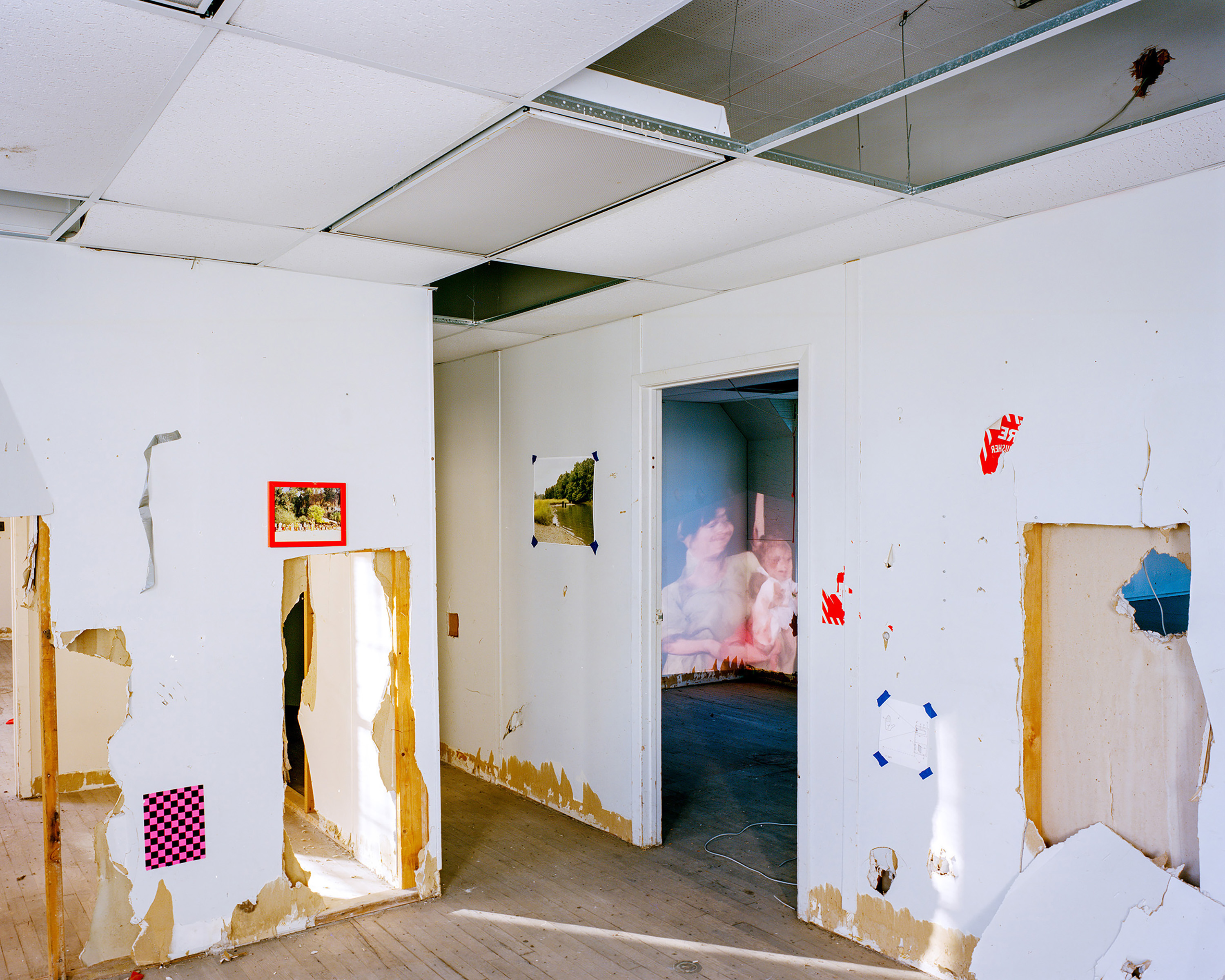
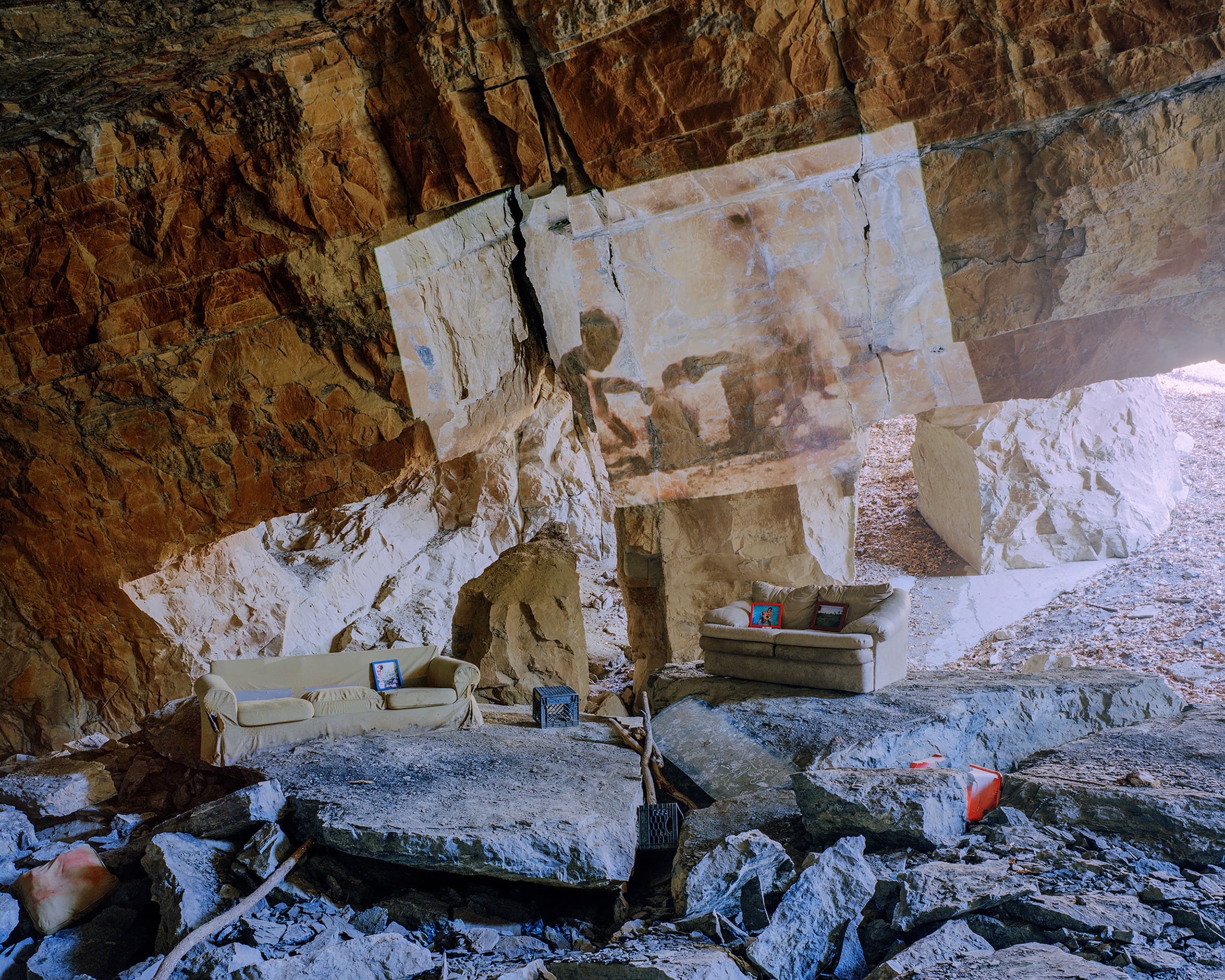
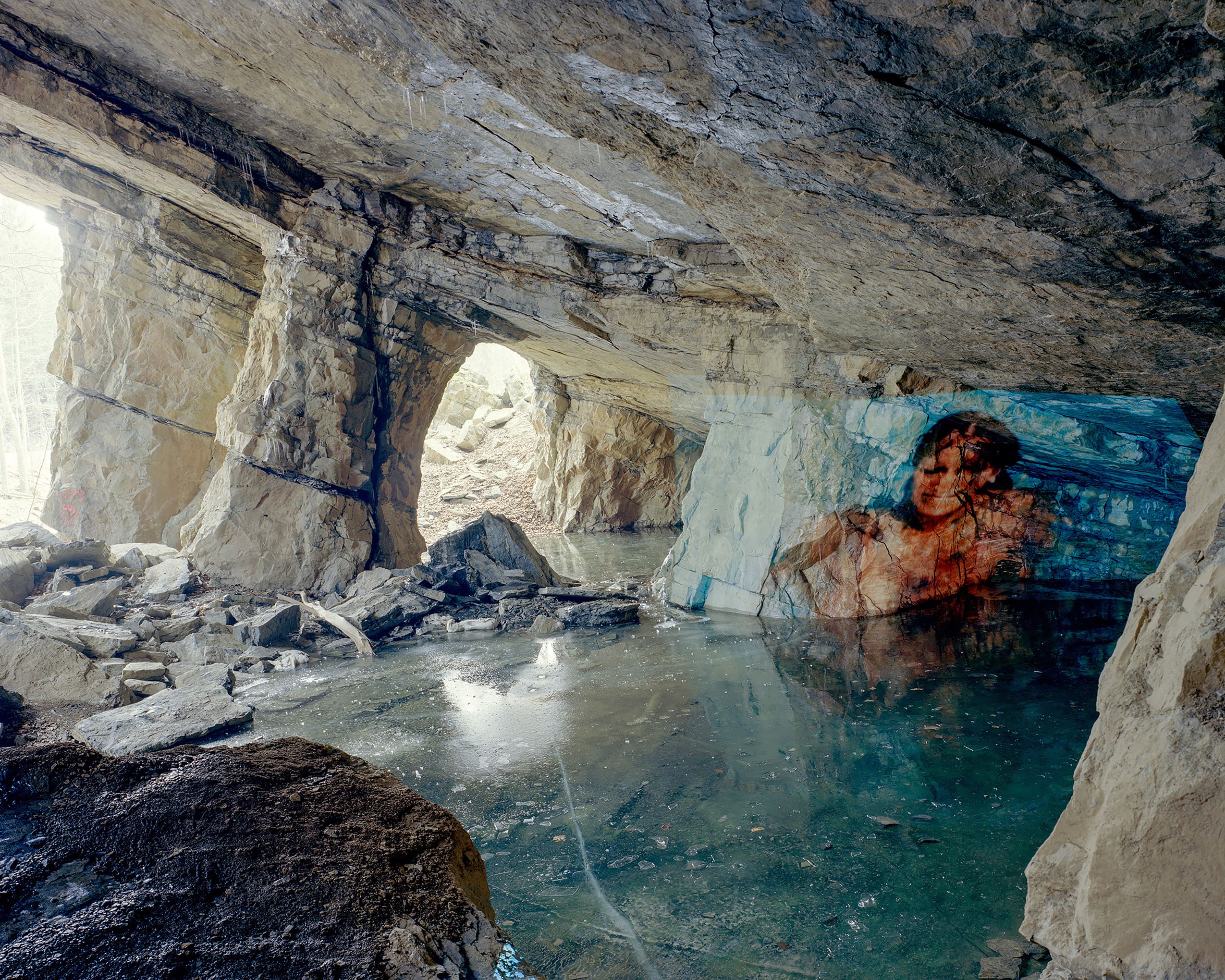
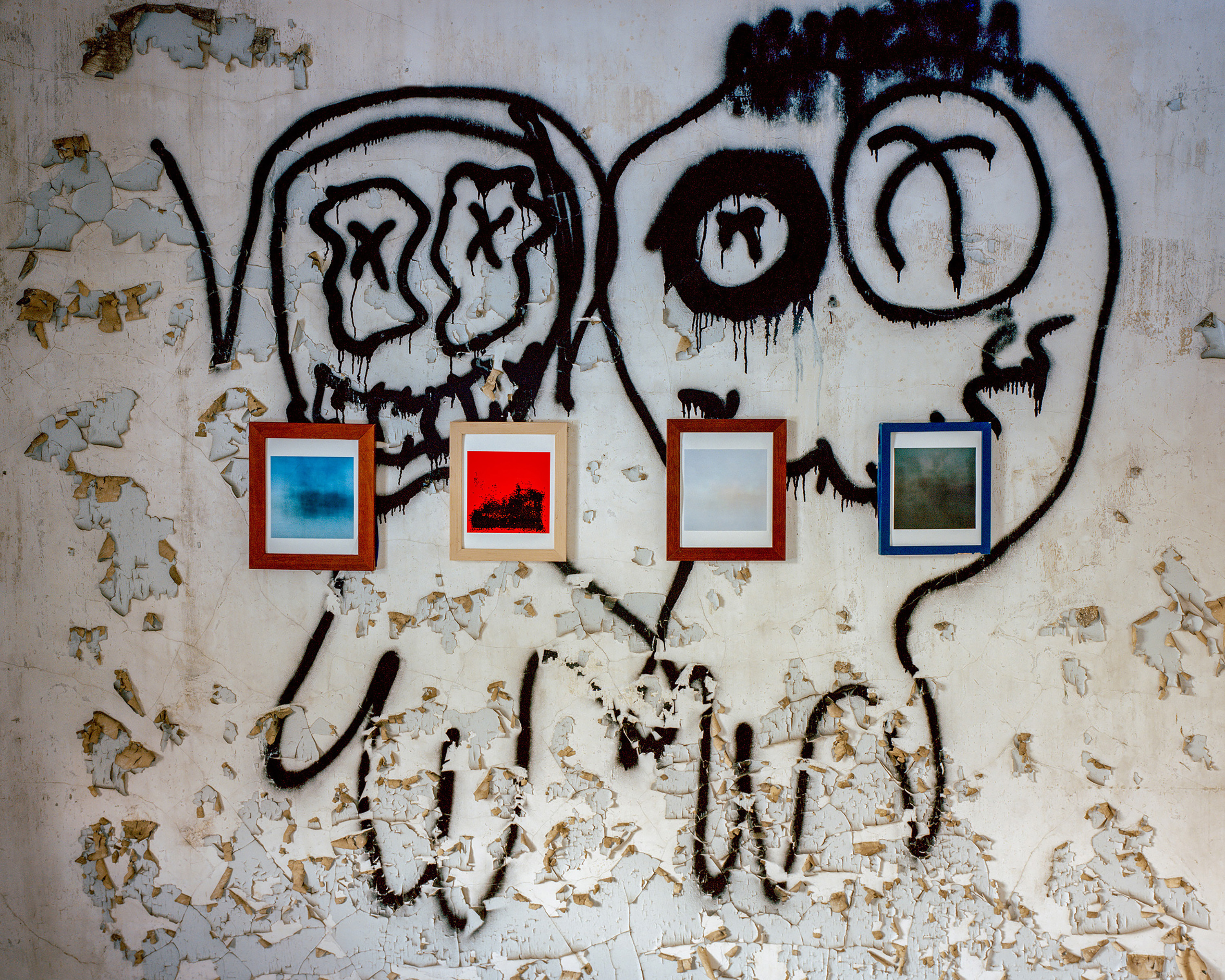
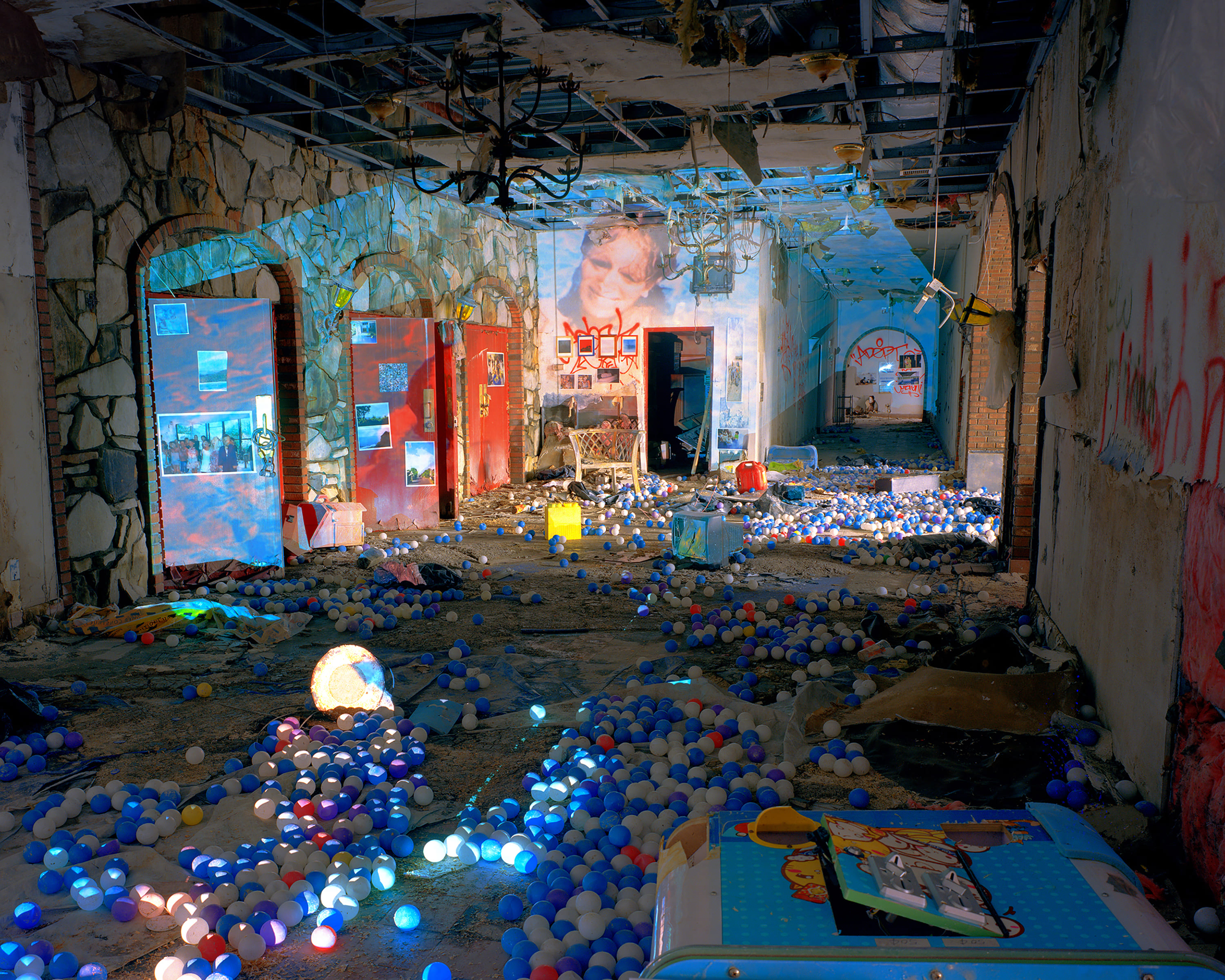
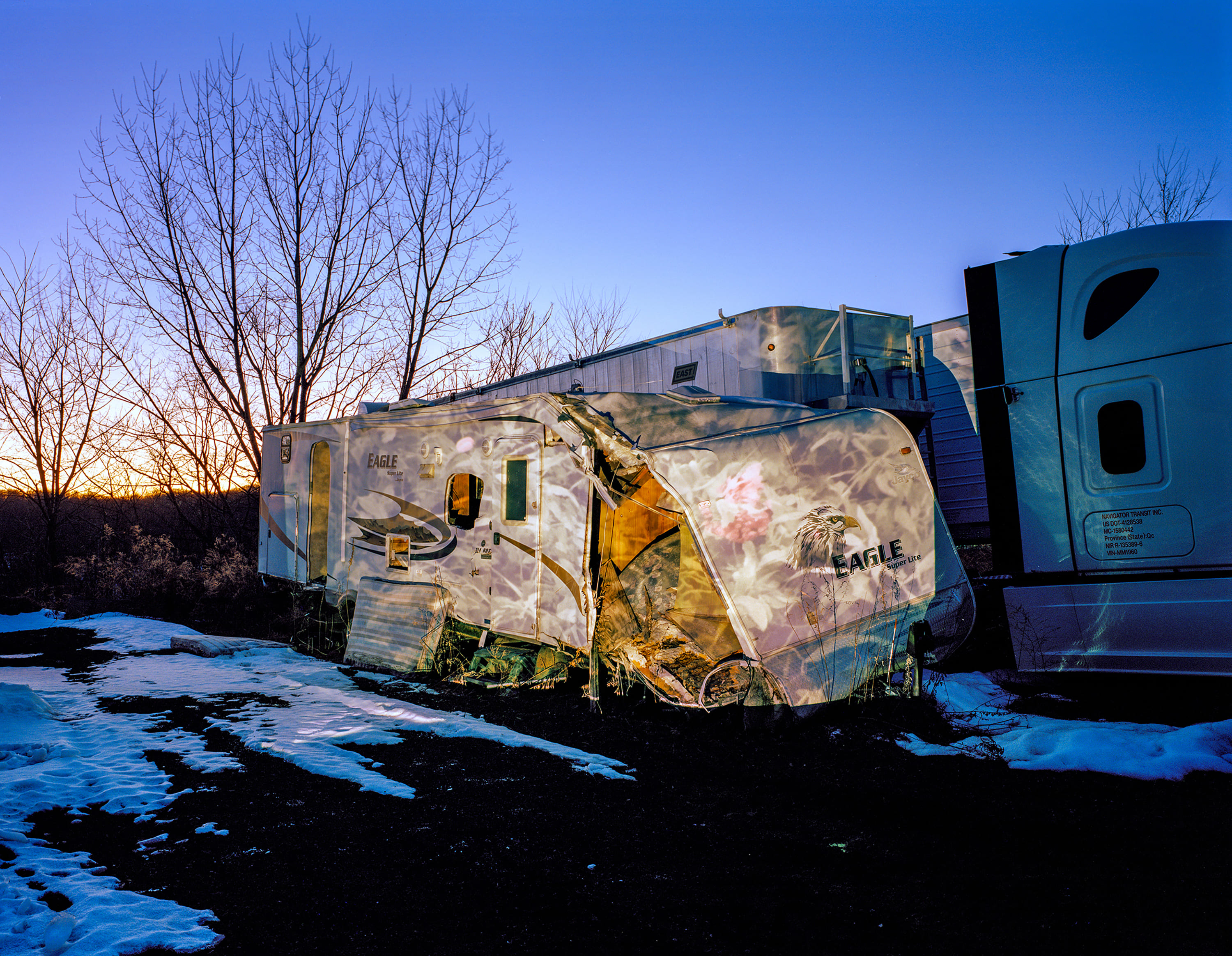
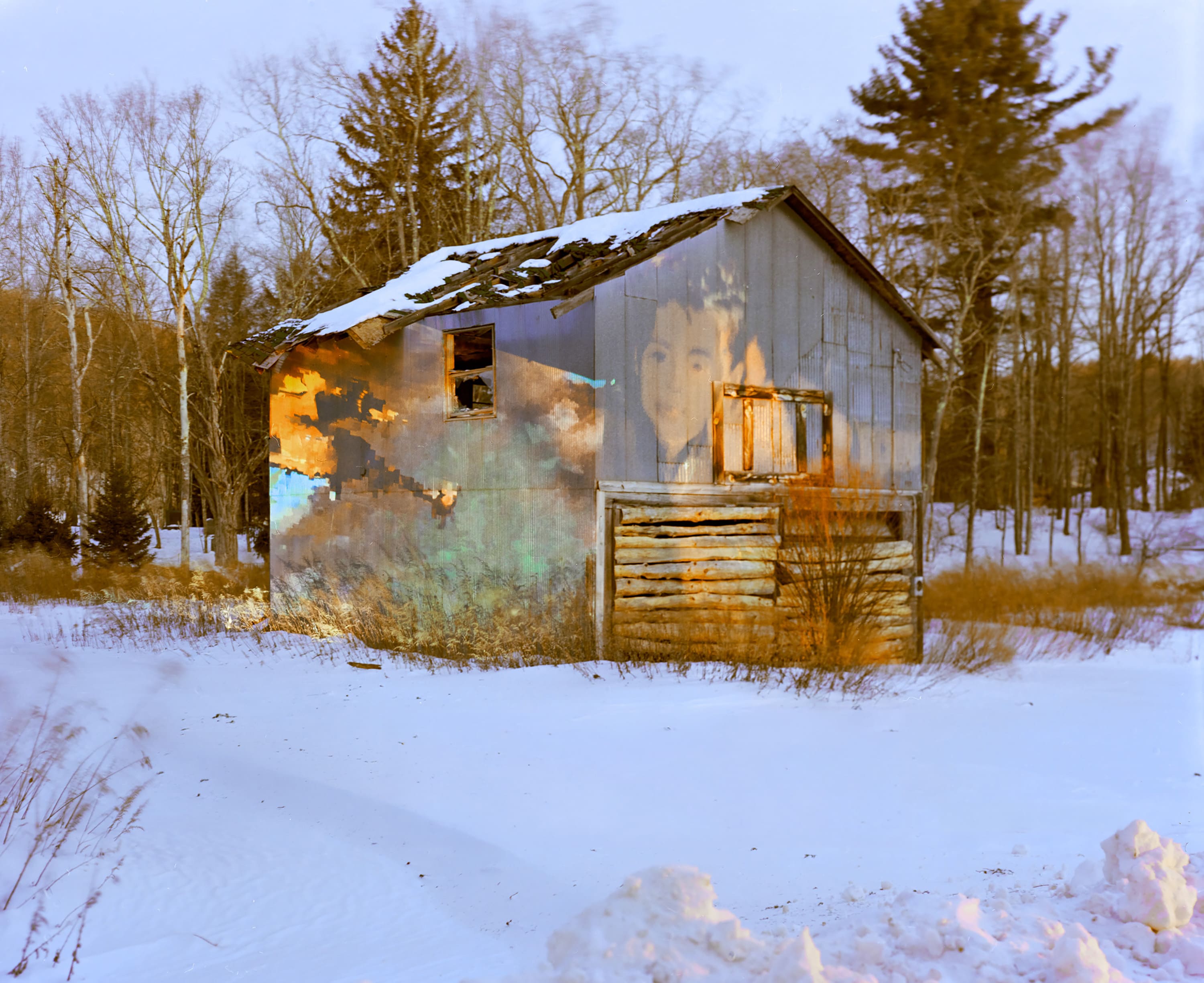
What becomes preserved is my relationship to that memory, the only part that was ever mine. The archive tends to be too supplementary. I've looked at these pictures all of my life, so much so that I have grown to remember the image rather than the moment the image points to. The images have taken the place of the event. A decayed image cannot deceive in that way because it was never attempting to be precise. A decayed image reminds instead of shows. It makes me do the recollection myself, which is harder but more honest. What has been lost in this process is the specificity the image once carried. What survives is the specificity of the moment the picture was pointing at.
As for where honesty comes from, the decayed image is not pretending to be certain. It is a reminder, not a substitute. It also allows the viewer to imagine what has been lost. This lets the image function outside of my memory. Like the systems that create this decay, the viewer fills in the gaps with what they have available. I don't think that their version is any less true than mine.

.jpg)
.jpg)